Driveway Drainage Fix Stops Storm Runoff in New Kent
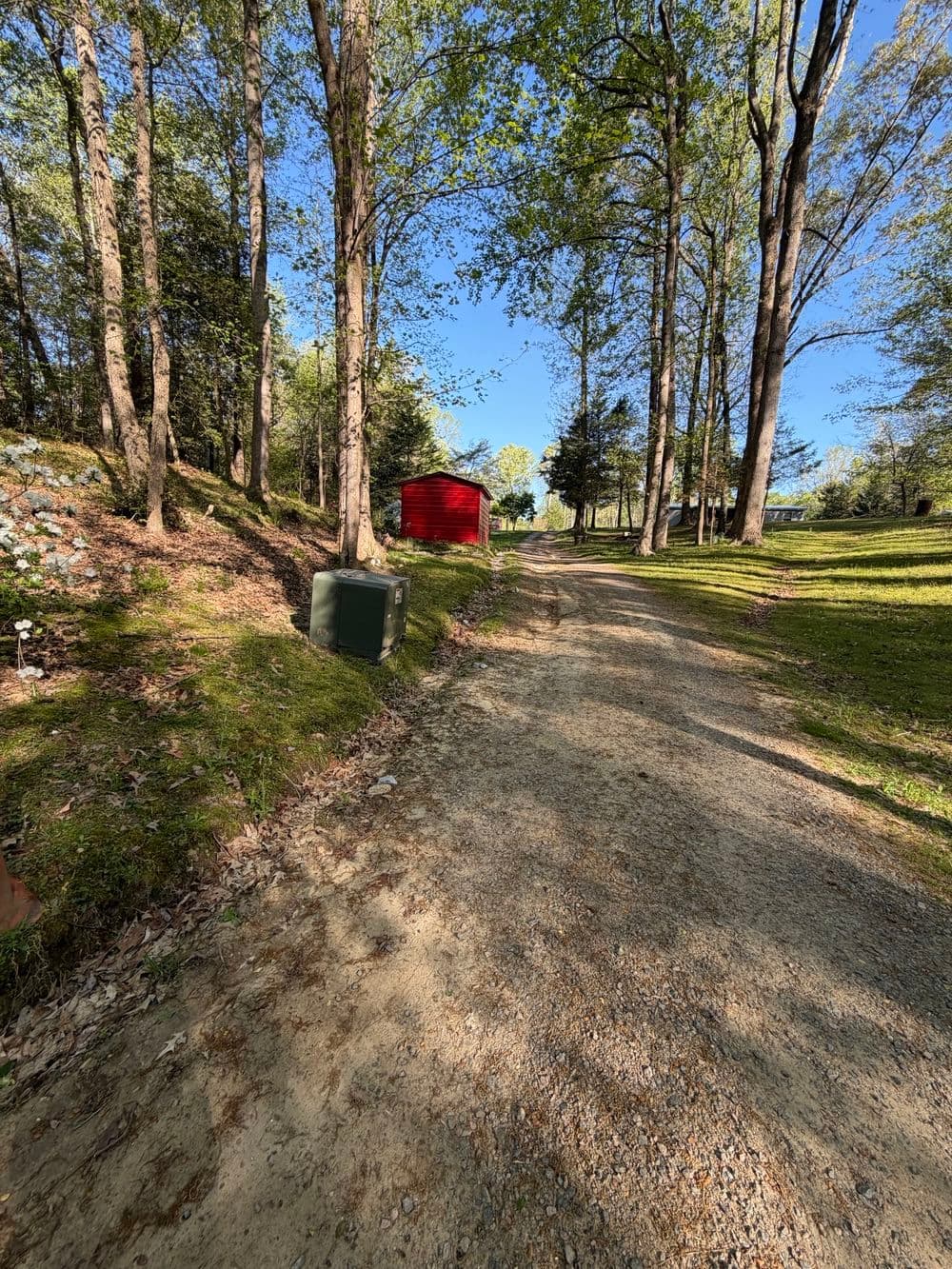
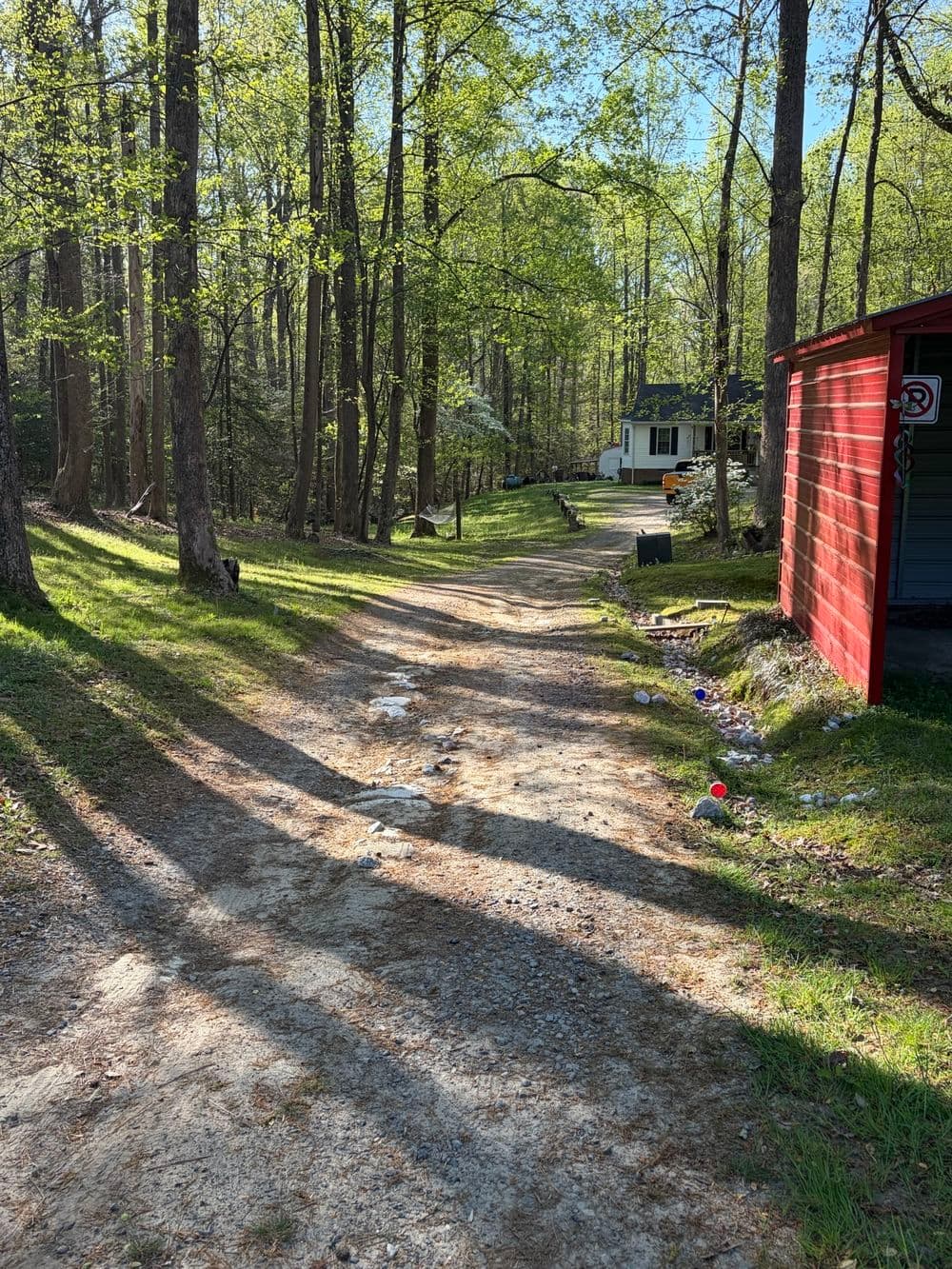
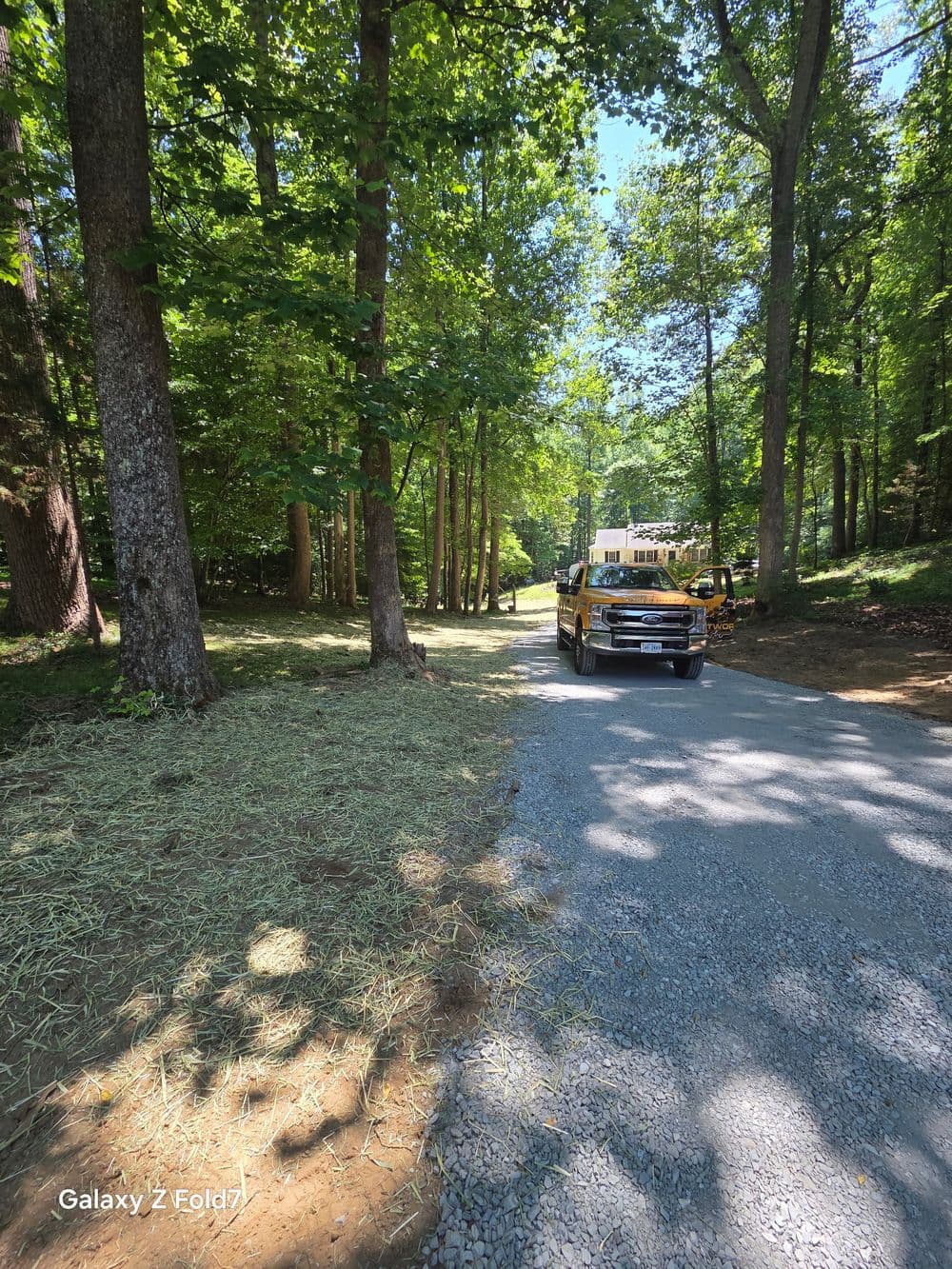
This customer had a real problem on their hands. Every time a heavy storm rolled through, water from neighboring properties came rushing across their driveway - washing out gravel, eroding the surface, and leaving a mess behind. It wasn't a cosmetic issue. It was a structural one that was getting worse every rain season.
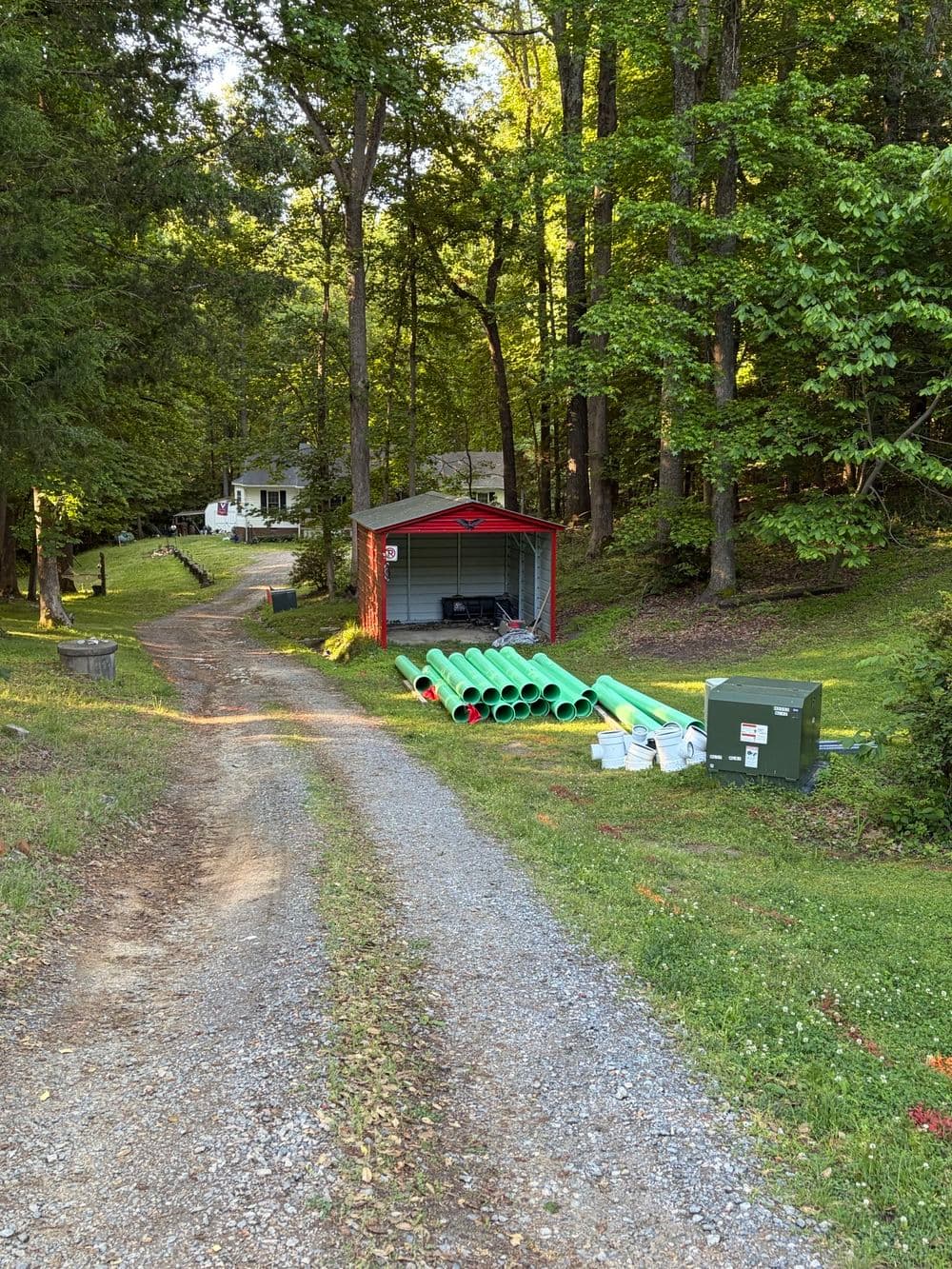
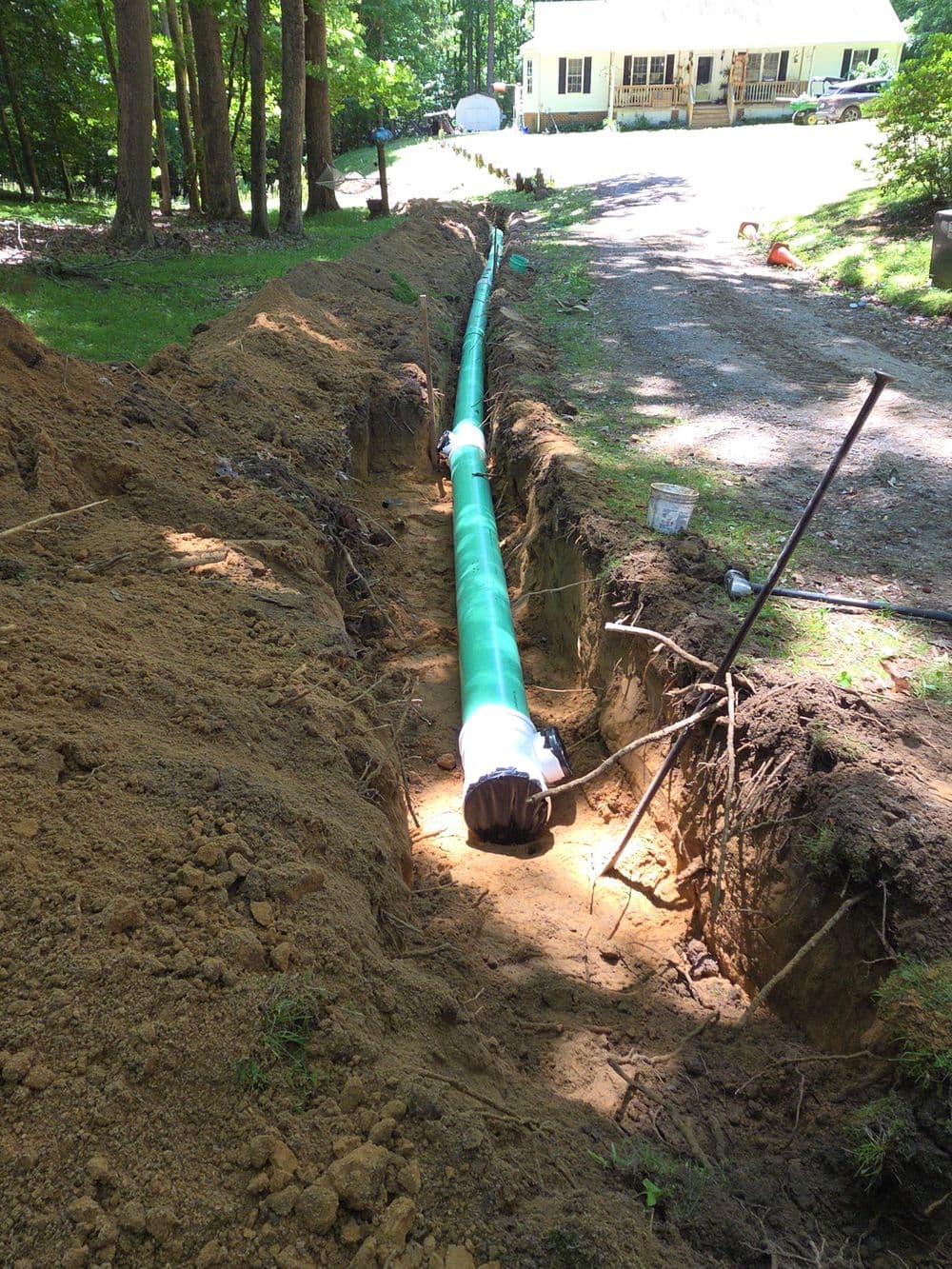
Here's what we were working with: a long gravel driveway sitting low enough to collect runoff from multiple adjacent properties, plus gutters on the home that had nowhere to properly discharge. The water had no controlled path, so it just took whatever path it found - straight across the driveway. We put together a plan to intercept and redirect all of it.
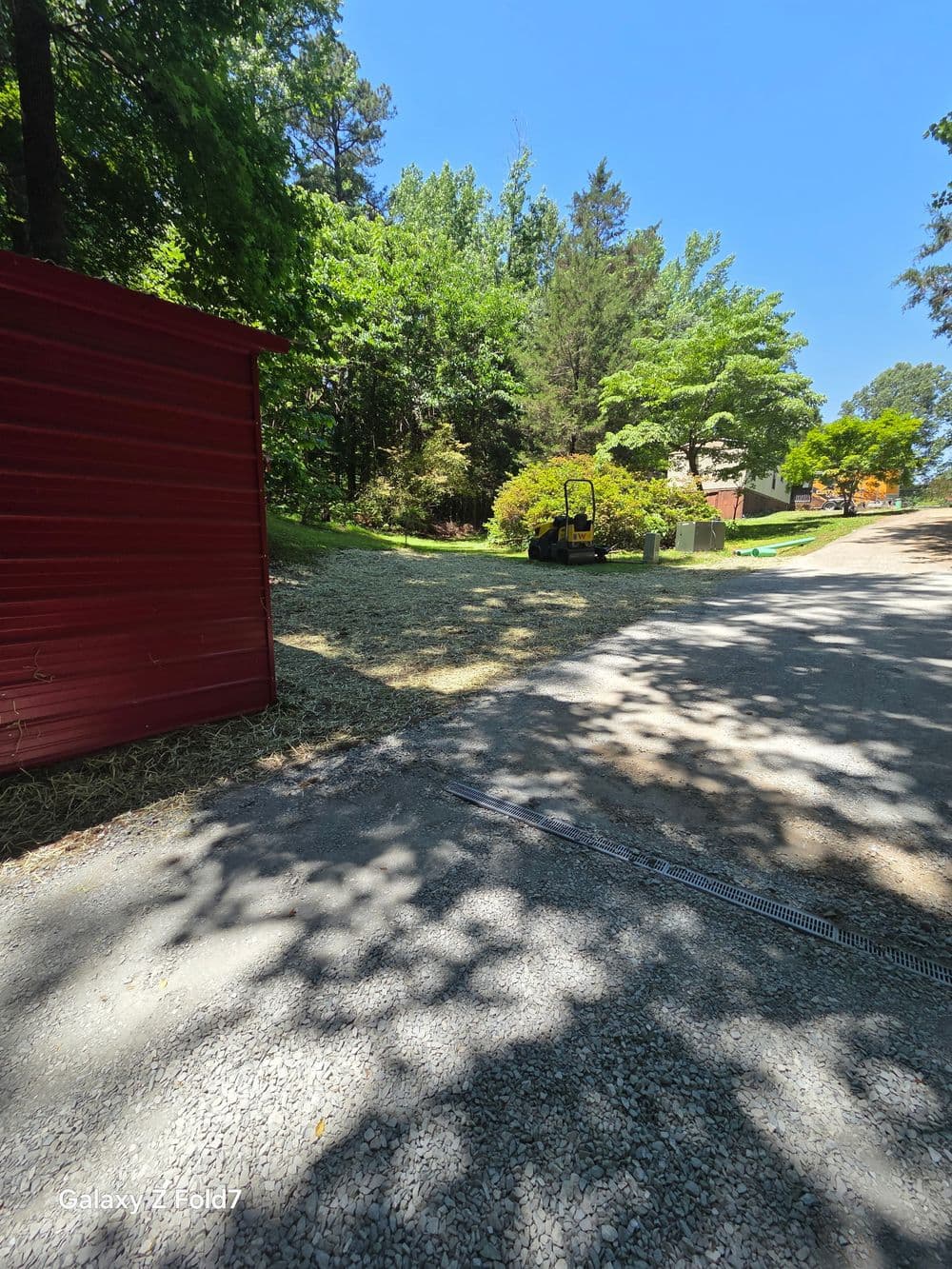
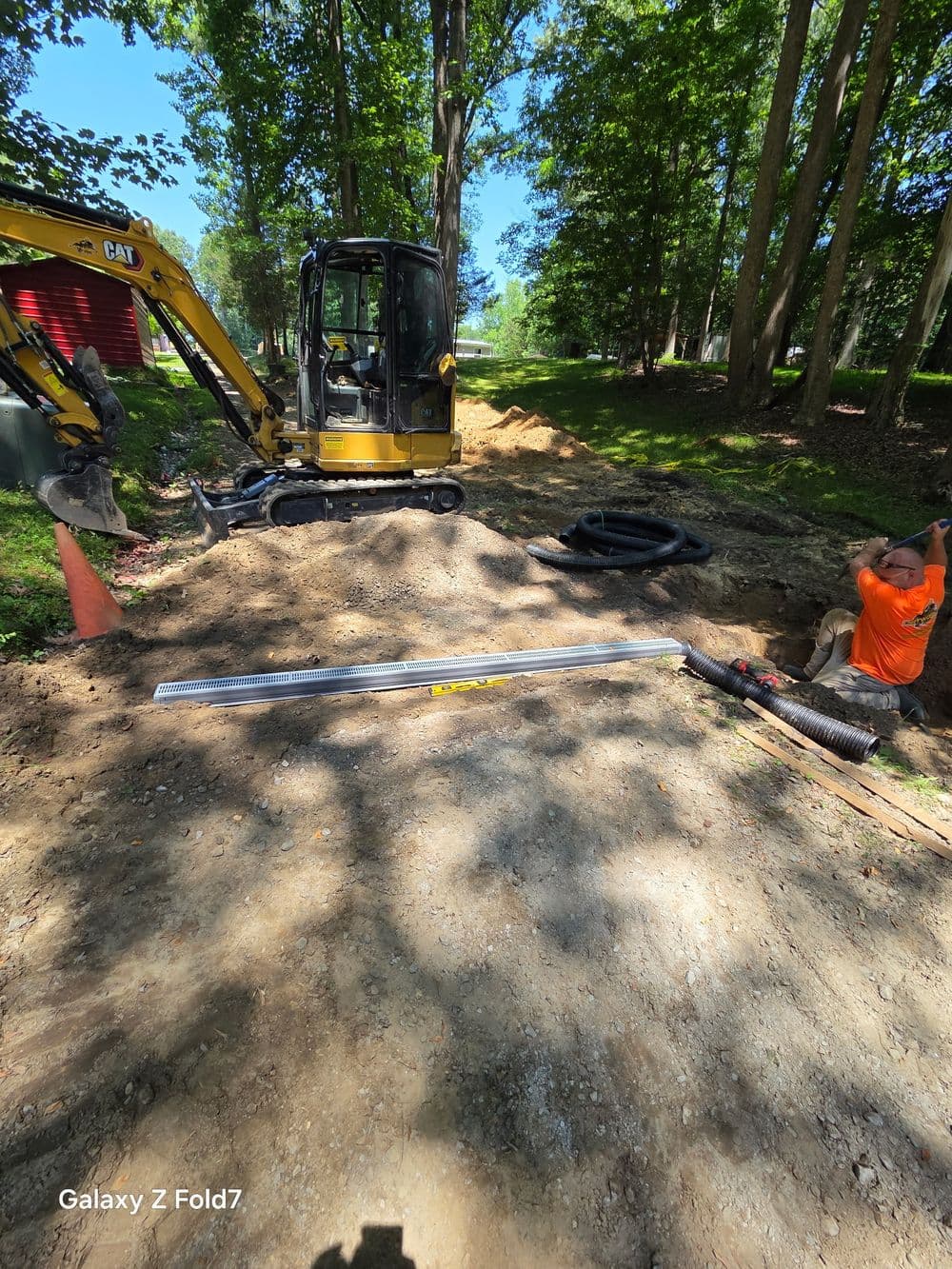
We installed 230 feet of 10-inch pipe to handle the main drainage load. On top of that, we put in 3 NDS driveway cross drains to catch surface water before it can build up and move across the drive. Two 12-inch NDS yard drain structures were added to manage the broader yard runoff coming in from the neighboring properties. And we tied the home's rain gutters directly into the system so there's no longer any uncontrolled discharge coming off the roof either.
That's a comprehensive system - not just a patch job. Every source of water movement on this property now has a designated path to follow. No more washouts, no more eroded gravel piling up along the edges, no more standing water after a storm. The whole driveway corridor gets to stay intact the way it's supposed to.
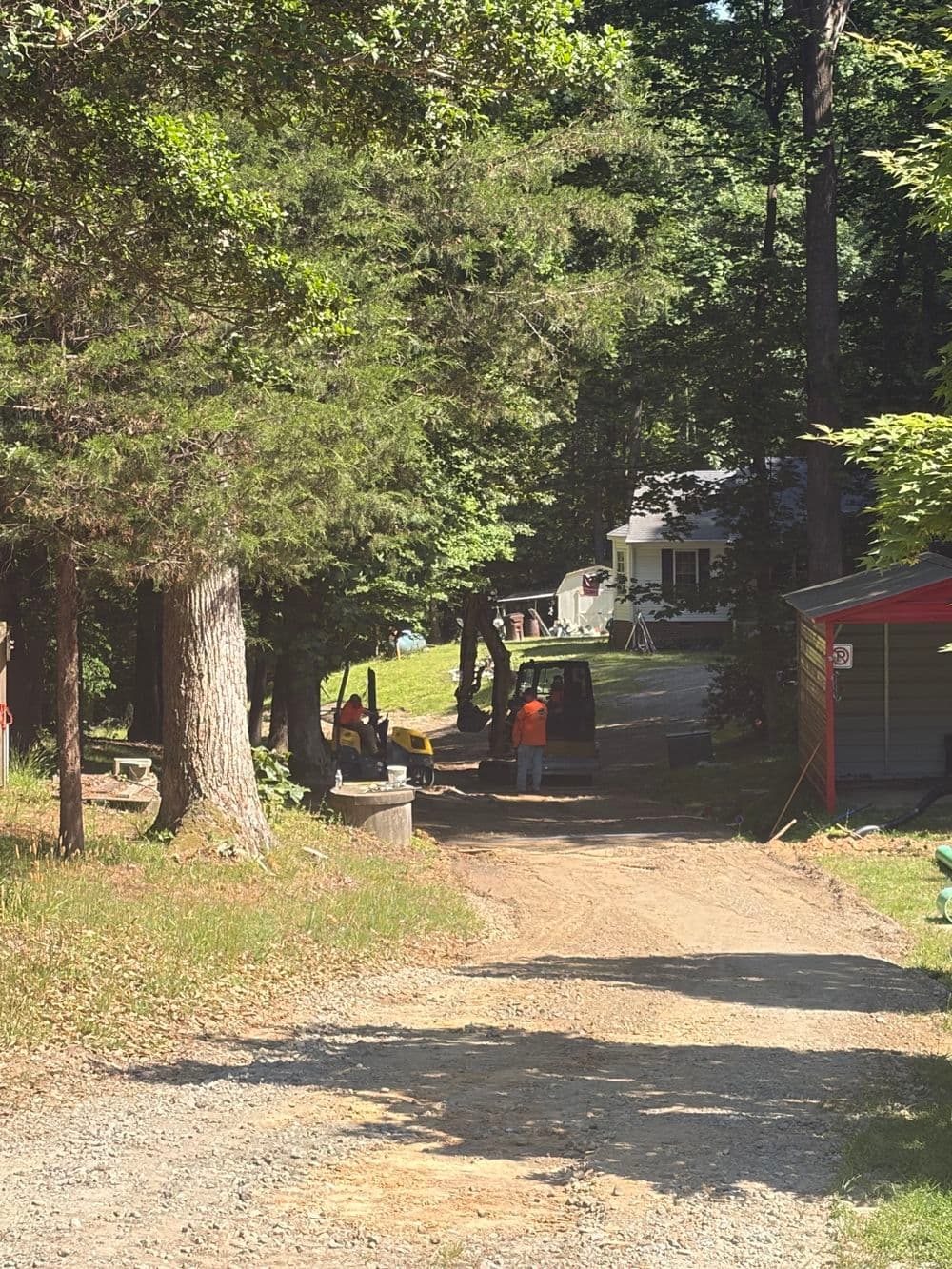
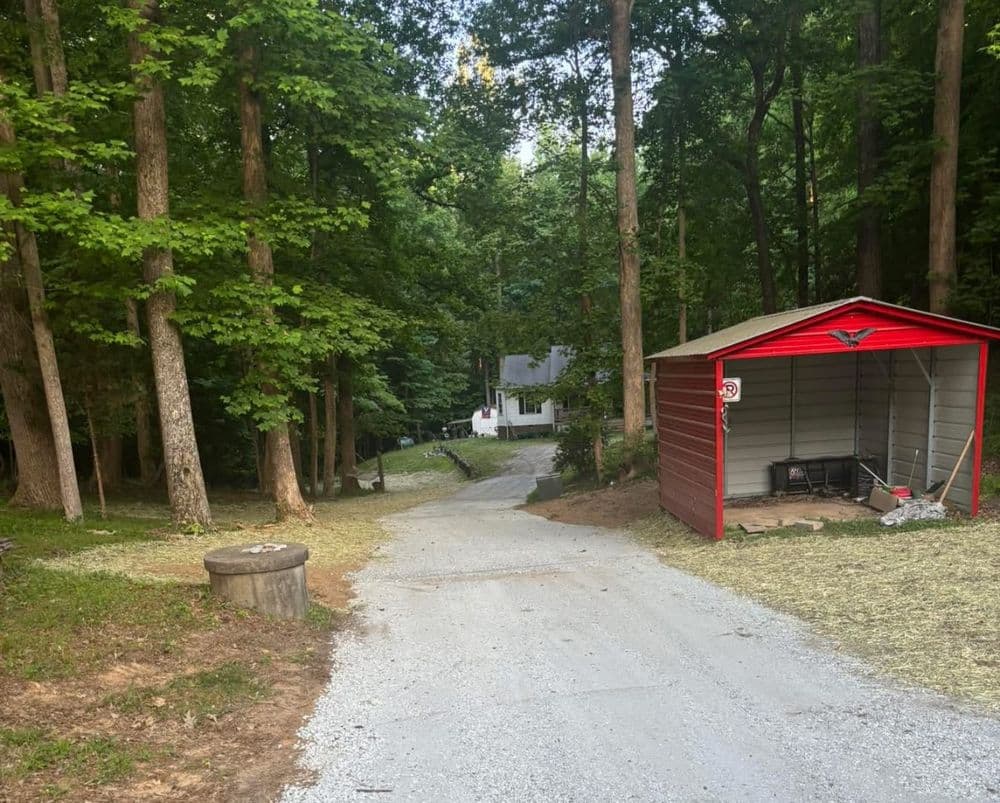
Then to finish it out we imported VDOT #21a gravel and installed into place rolling it to ensure compaction and no further washouts with a stable road to come in and out of the property on the hilled driveway.
Drainage problems like this are common in New Kent and the surrounding areas of Virginia, especially on wooded lots where elevation changes between neighboring properties funnel water onto your land. If you're watching your driveway wash out every time it rains hard, the problem isn't going away on its own. A properly engineered drainage system is the fix.