Multiple BMP Restoration in West Point
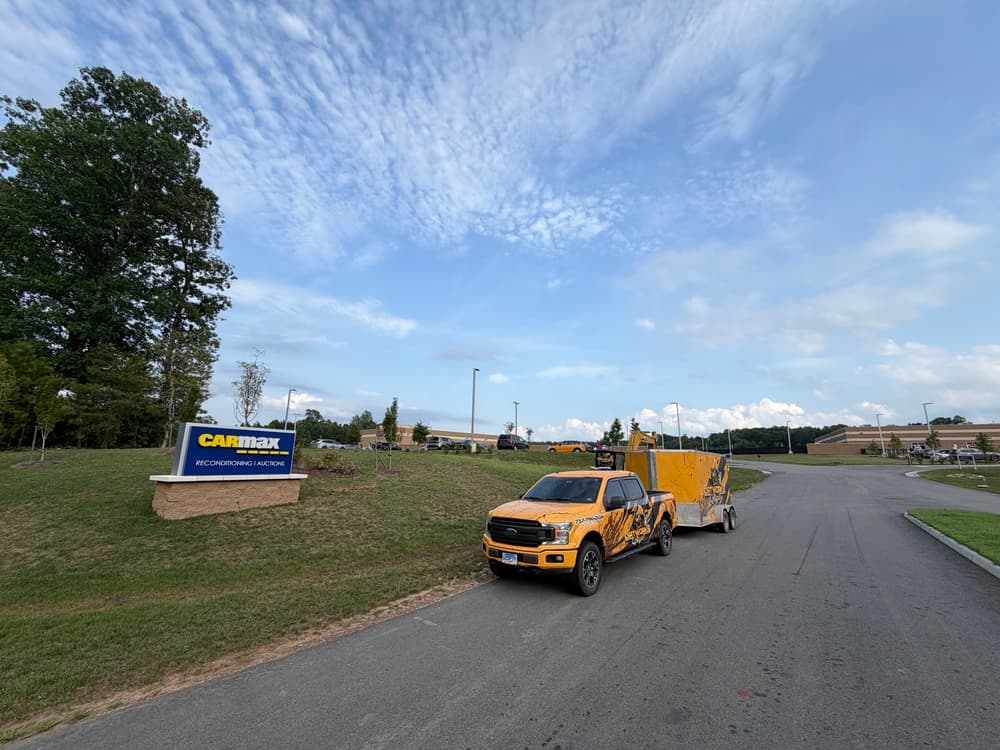
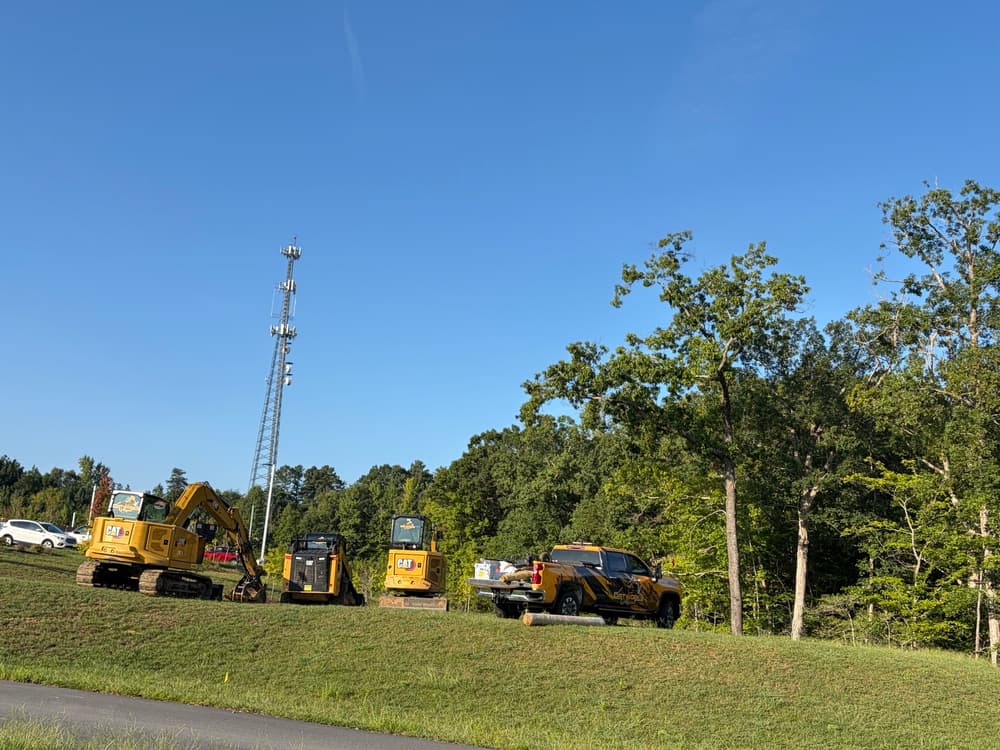
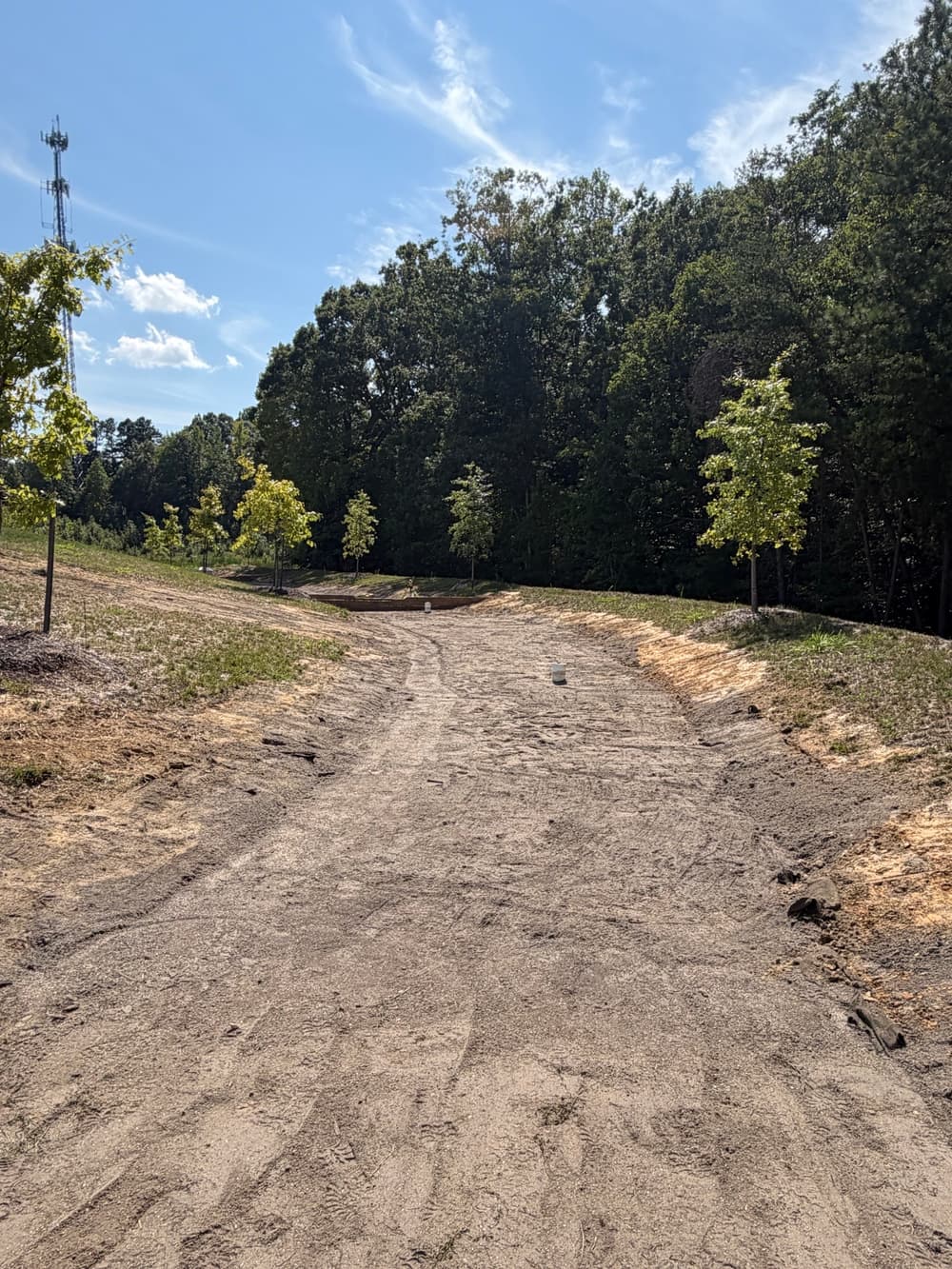
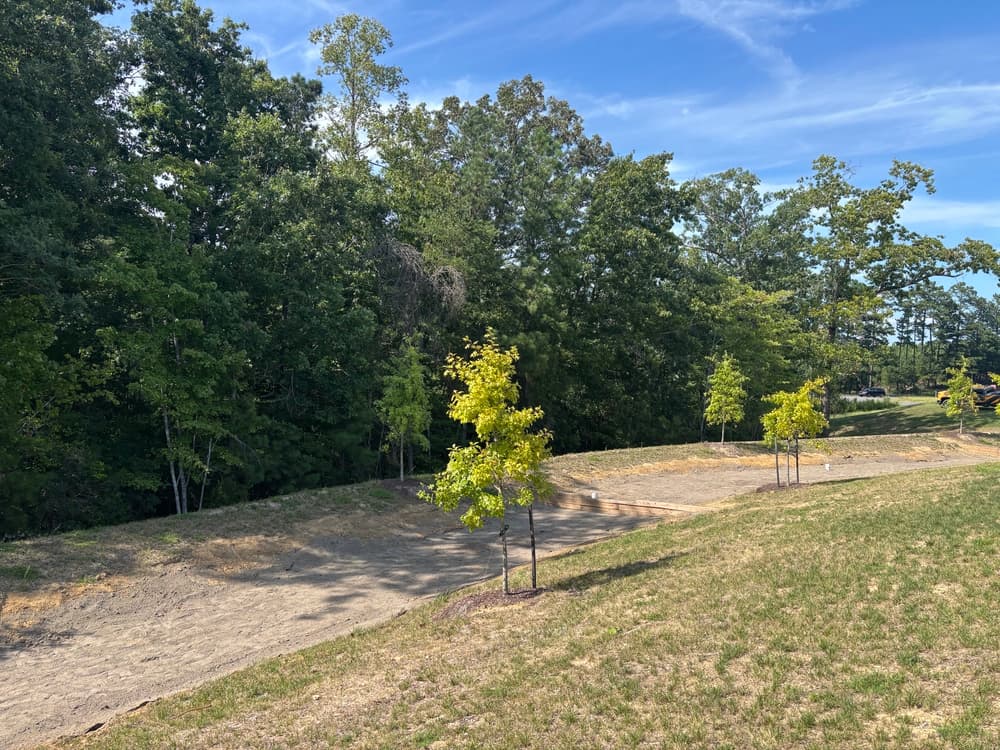
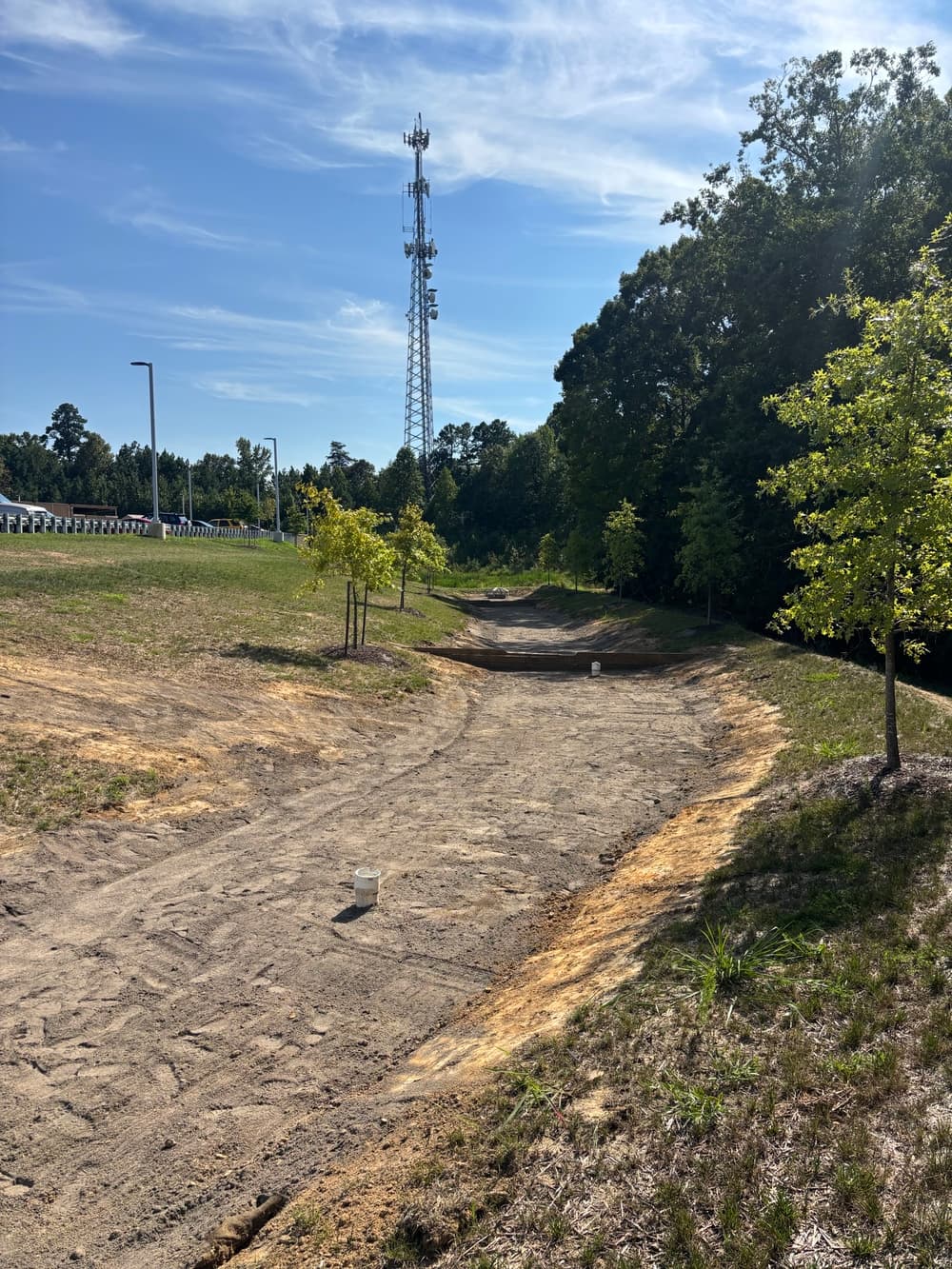
Sometimes a commercial site gets to the finish line and the stormwater BMPs just aren't where they need to be. The original contractor couldn't close out the punchlist items on this West Point, VA site, so we got the call. That's pretty common - BMP work gets pushed to the back burner, and before long you've got a wet pond full of silt and a dry swale that's lost its designed grade.
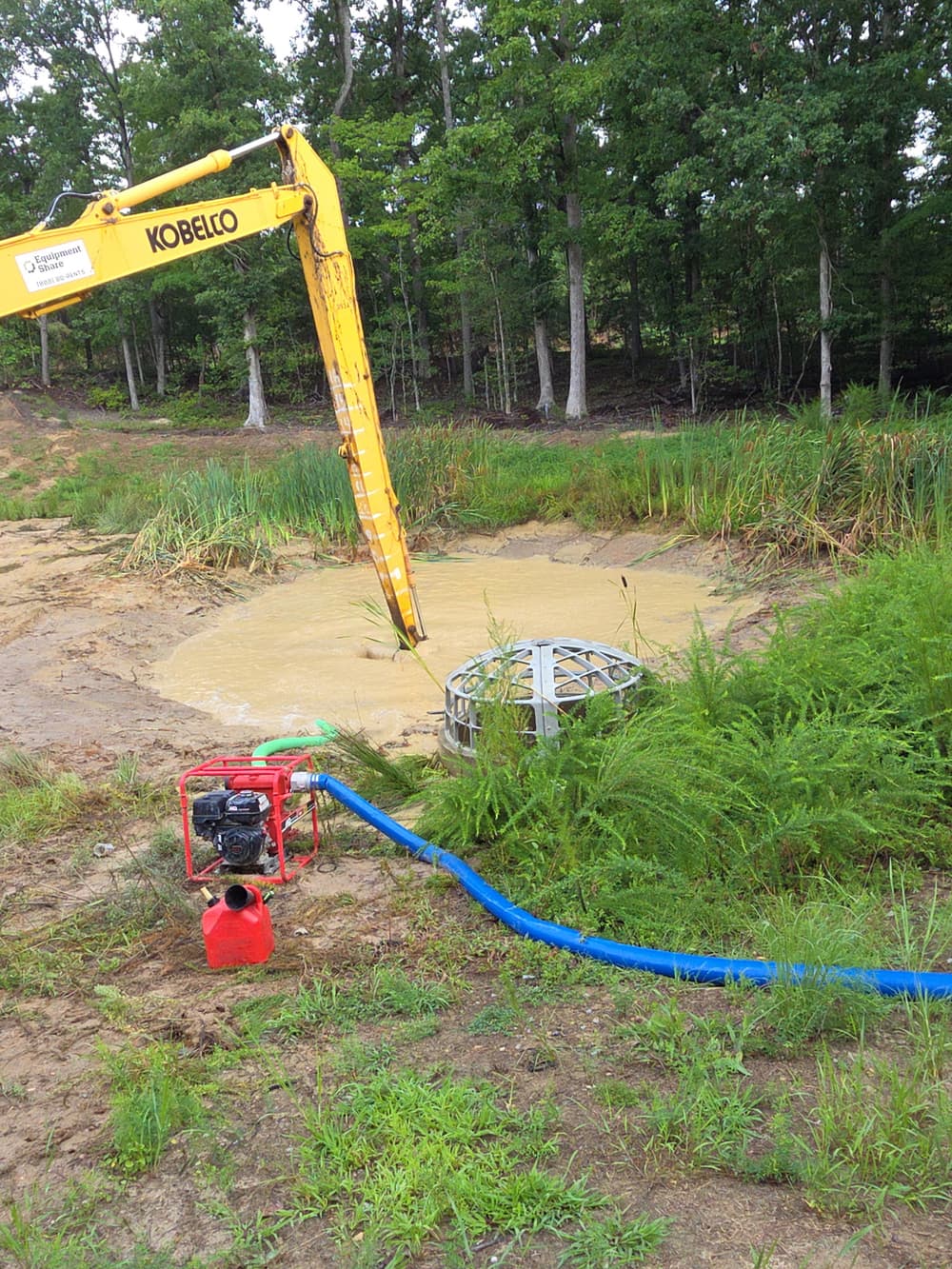
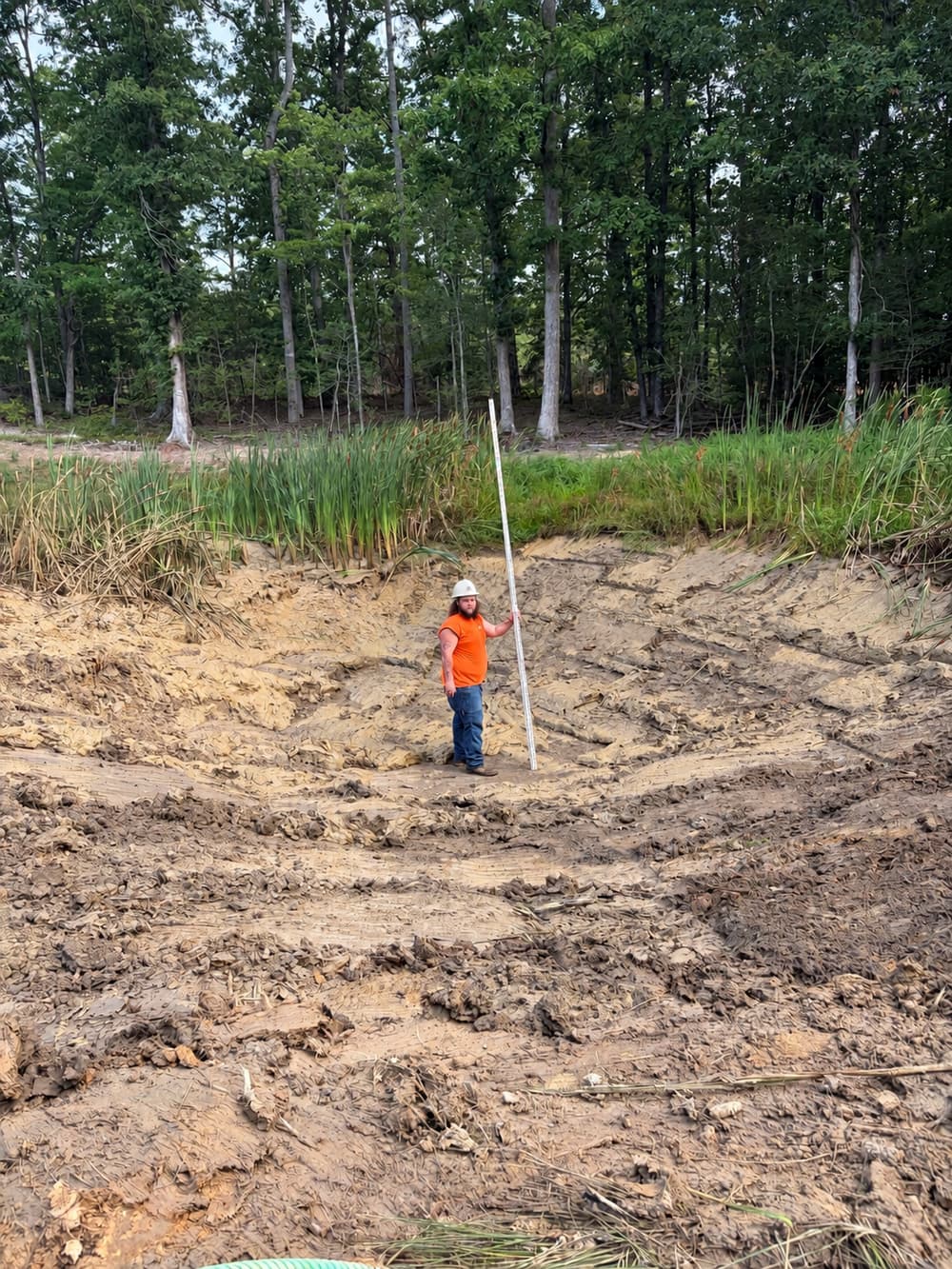
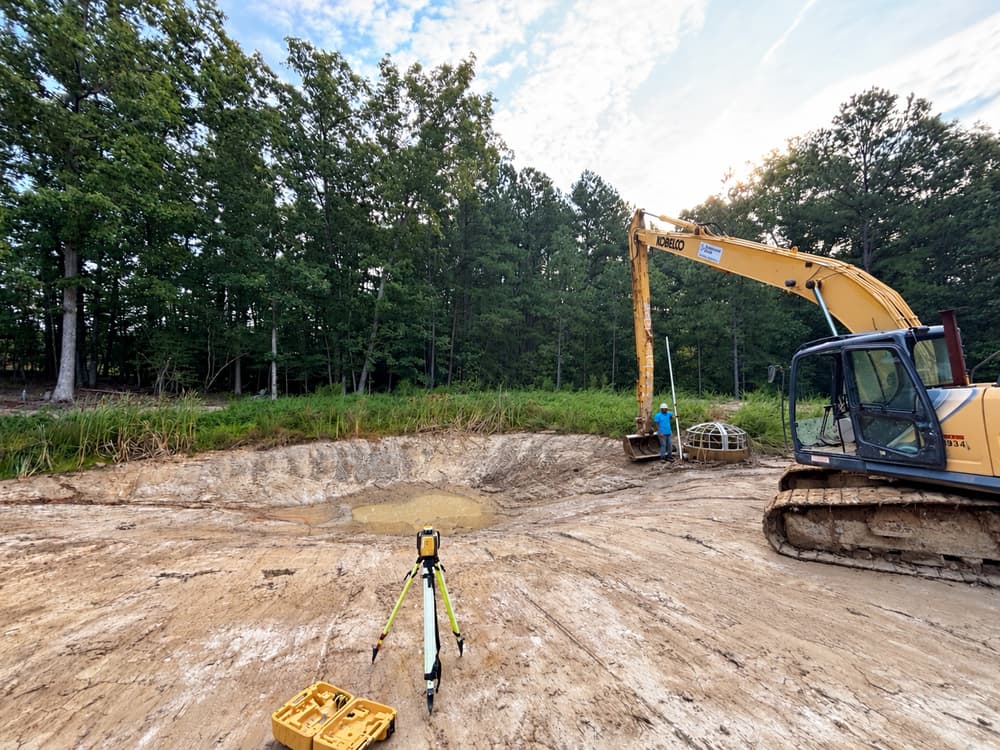
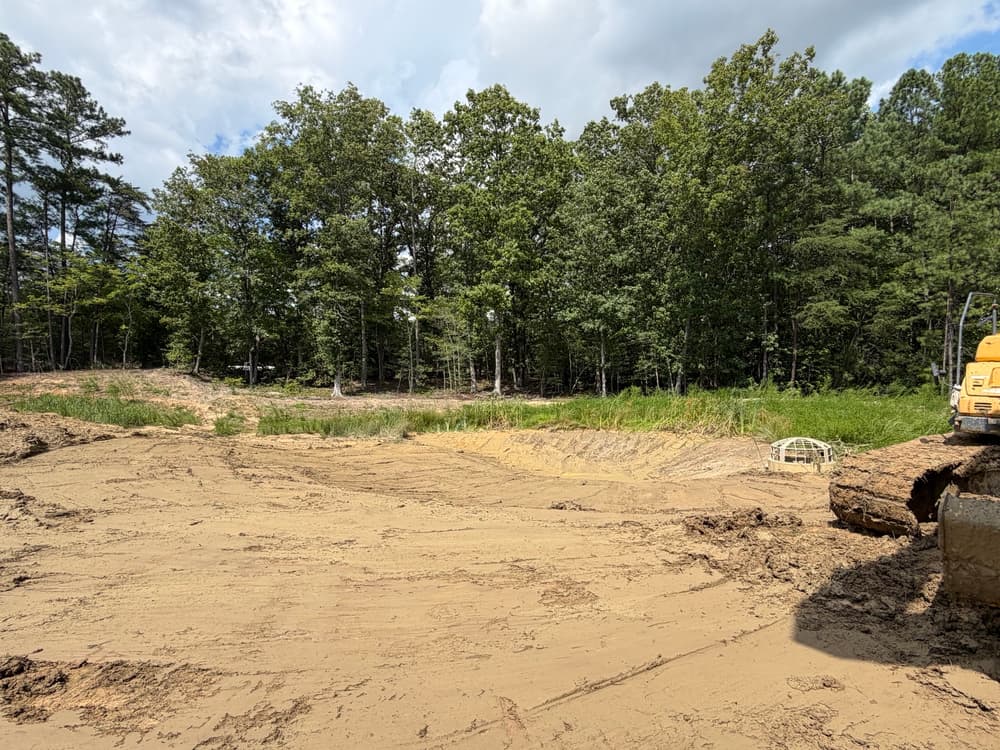
We started at the BMP wet pond. First step was pumping it down, then getting the excavator in to pull out the accumulated silt and mud. All of that material got hauled off site. Once we were back to subgrade and had the pond basin cleaned out, we set up the laser level to confirm we were hitting the right grades before moving on. No guessing - the grade has to be right for the system to function the way the engineer designed it.
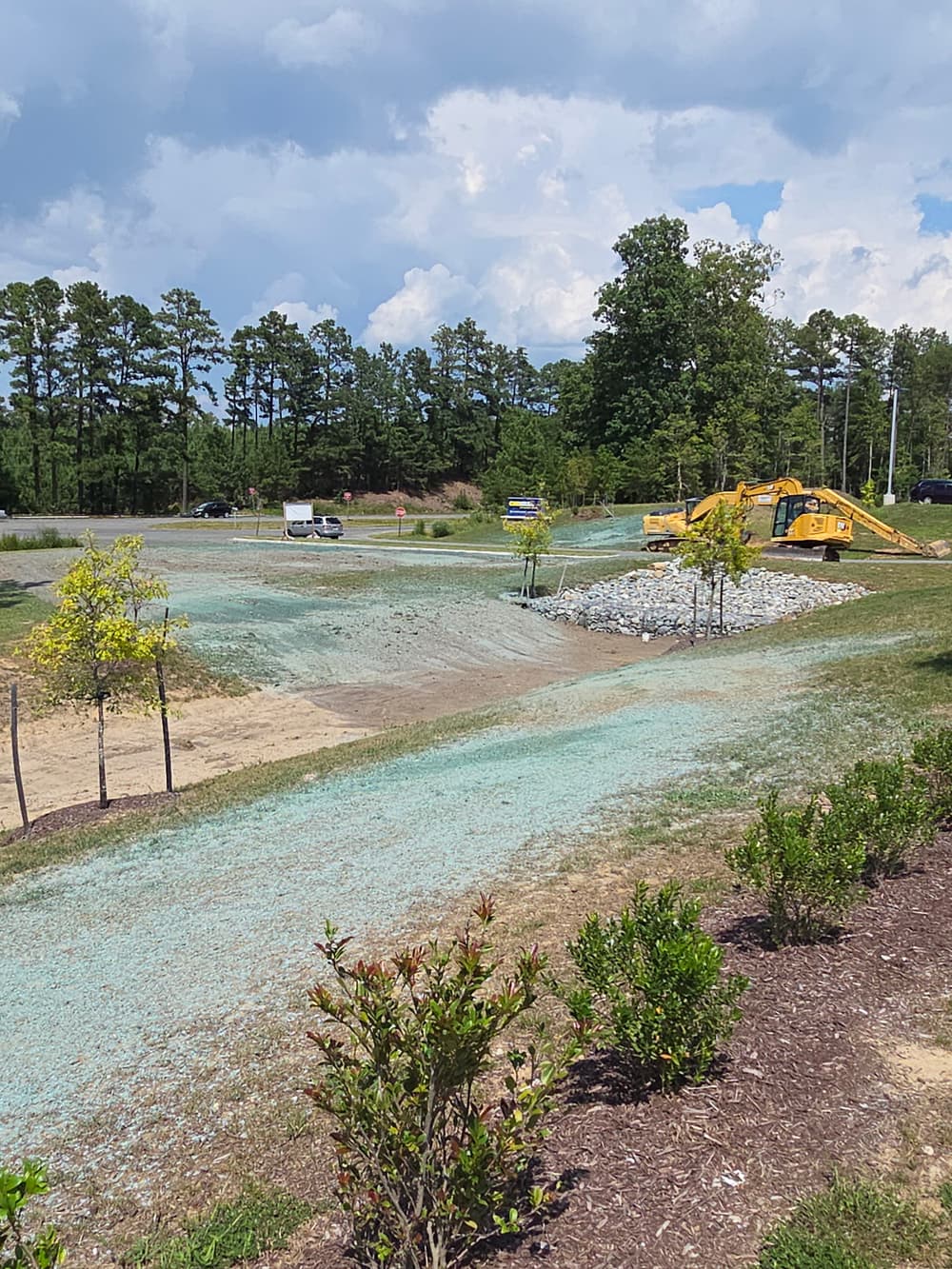
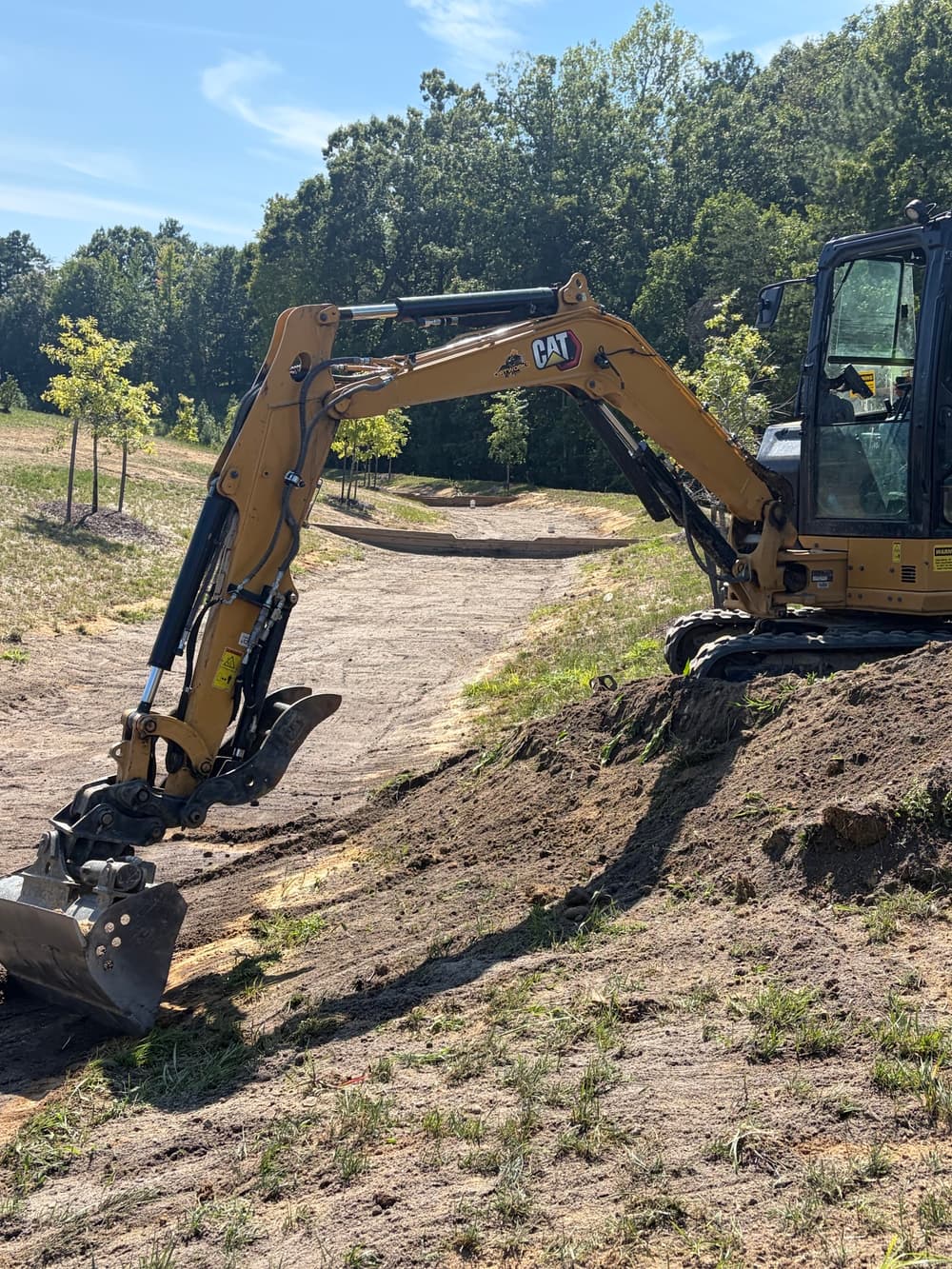
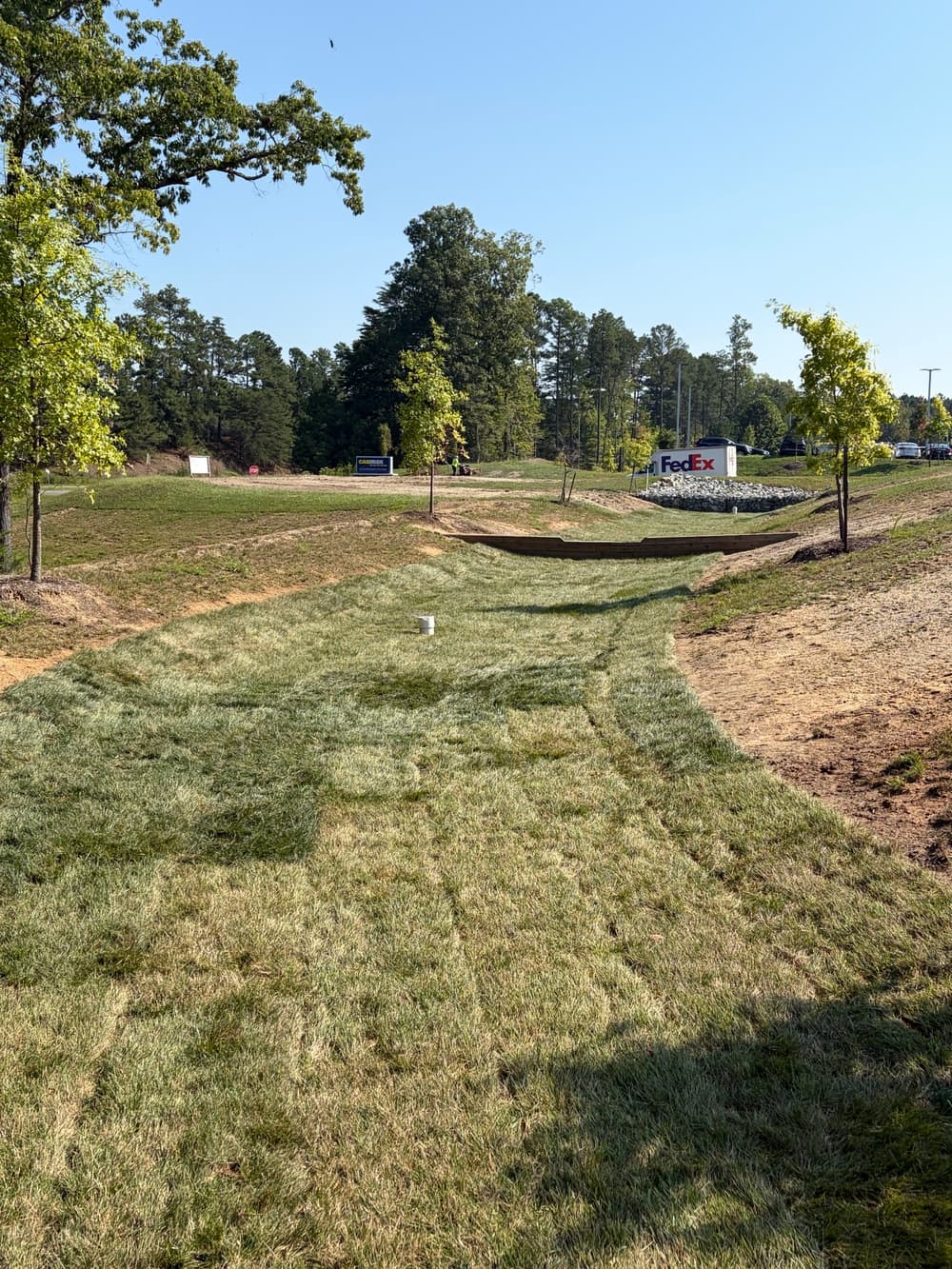
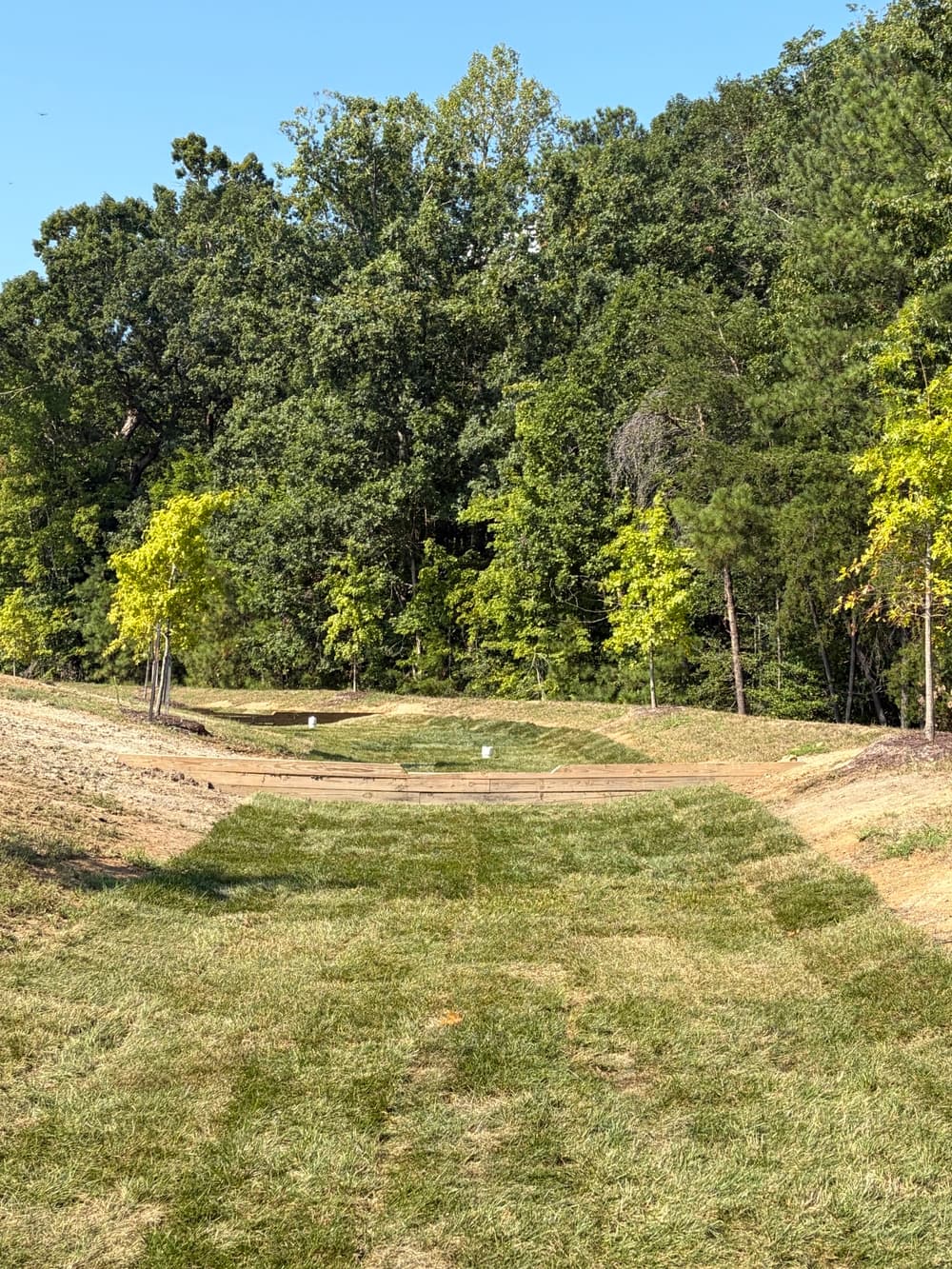
From there we moved to the dry swale. The original grade had degraded, so we recut it with a mini excavator - working carefully to restore the proper flow line and side slopes. This part matters a lot. A dry swale that's lost its grade doesn't move water the way it's supposed to, and that's exactly what county inspectors are looking for when they do a final walkthrough.
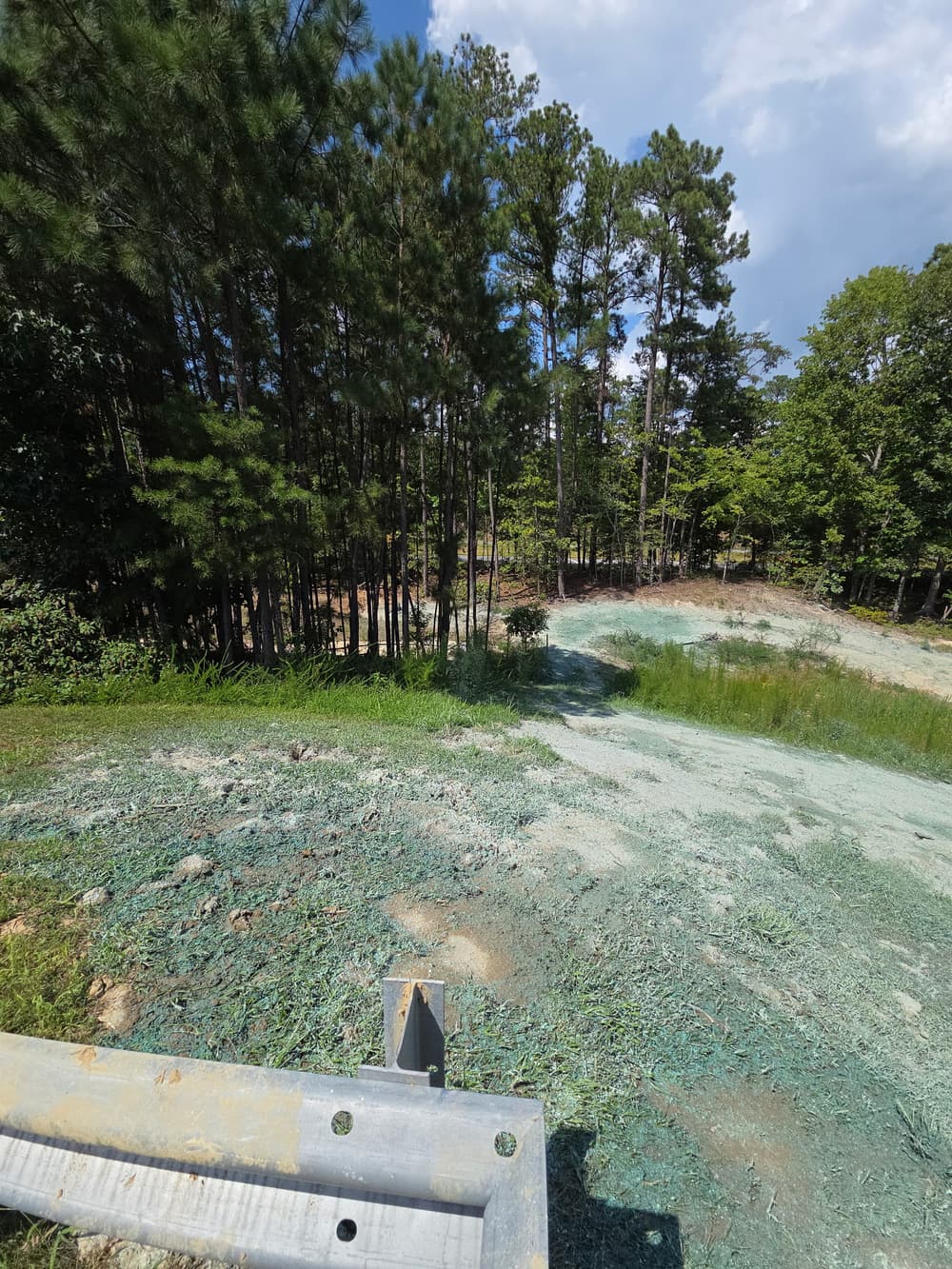
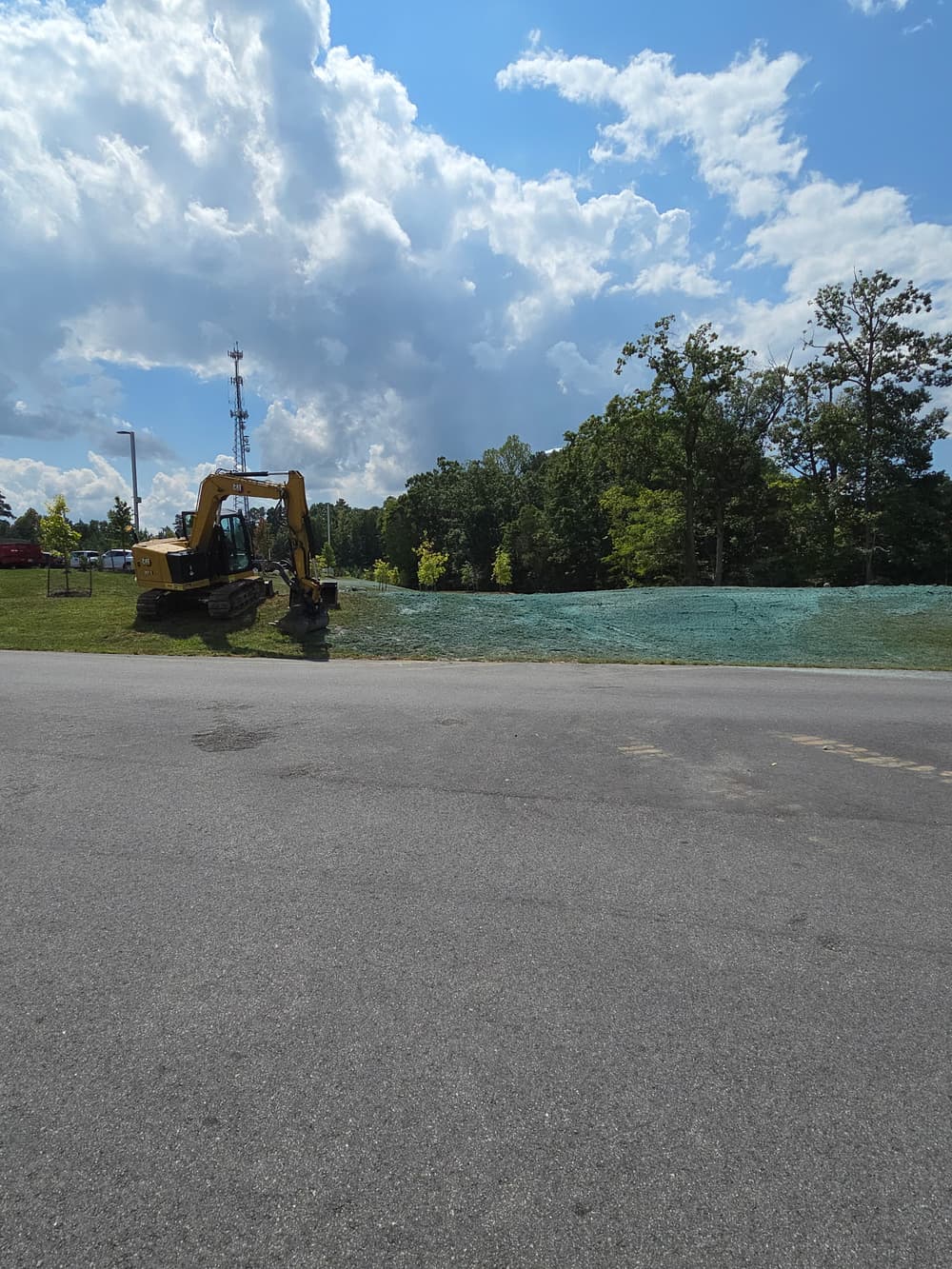
Once the earthwork was done on both features, we hydroseeded everything. The teal-green tackifier you can see coating the slopes is the hydroseed application - it holds the seed and mulch in place while germination gets started. Getting grass established quickly is critical on disturbed areas like this. It stabilizes the soil and is a requirement for final county approval. By the end, the dry swale had a clean grade, the pond basin was back to proper subgrade, and the hydroseed was down across the site.
The goal with punch list work like this is simple - get it done right so the site passes inspection and the project can close out. We've handled enough of these to know what county inspectors want to see, and we don't cut corners on the details that get a site across the finish line. If you've got outstanding BMP or stormwater punch list items on a commercial site, this is exactly the kind of work we do.